7 Reasons the First Two Weeks of a Weight Loss Reset Can Lie to You
Quick Answer: The scale’s movement in the first two weeks of a weight loss reset is dominated by water weight, glycogen shifts, and digestive changes rather than actual fat loss, which means both a big early drop and a stubborn early plateau can be misleading in opposite directions — neither one reliably predicts how the following weeks will go.
The first two weeks feel like they should set the tone for the whole reset, but mechanically, they’re the least representative stretch of the entire process.

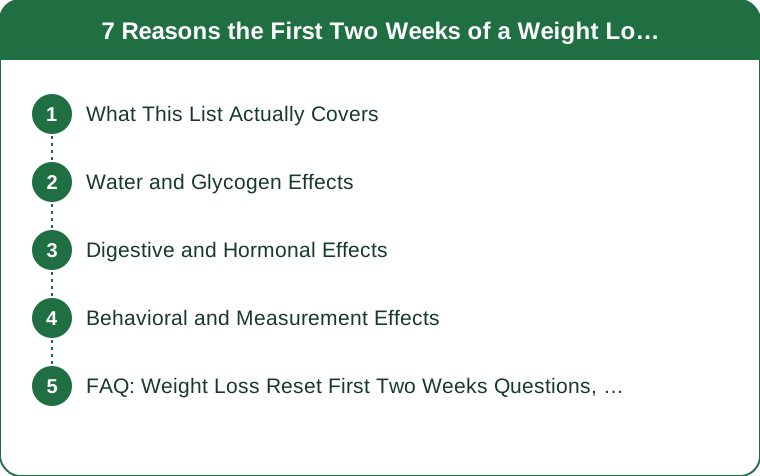
What This List Actually Covers
Seven specific physiological and behavioral reasons the first two weeks of a reset produce numbers that don’t reflect real fat loss trends — some make the scale drop faster than expected, others make it seem stalled, and understanding which is happening prevents both false confidence and premature giving up.
Water and Glycogen Effects
1. Glycogen depletion causes an early, disproportionate drop
Cutting carbohydrates or overall calories depletes stored glycogen, and each gram of glycogen is stored with roughly three grams of water — so the first several pounds lost in week one are often water tied to glycogen, not fat, which can create a misleadingly fast-looking start.
2. Sodium and hydration shifts swing daily numbers
Changes in sodium intake, hydration, and even how much water was drunk the night before can shift scale weight by a pound or more day to day, noise that’s easy to misread as real progress or regression this early on.

Digestive and Hormonal Effects
3. Digestive content changes independent of fat loss
A new eating pattern changes how much food and waste is in the digestive tract at any given time, and that alone can account for a pound or two of scale movement that has nothing to do with fat.
4. Hormonal cycle timing can mask or exaggerate movement
For many women, where the first two weeks land relative to a menstrual cycle can add several pounds of water retention that has nothing to do with the reset itself, making the scale unreliable during certain windows regardless of actual progress.
Behavioral and Measurement Effects
5. Early motivation inflates adherence, then normalizes
The first two weeks often see unusually strict adherence driven by fresh motivation, which doesn’t reflect the sustainable behavior pattern that will actually determine longer-term results — a strong week one doesn’t guarantee a strong week six.
6. Scale timing and consistency errors add noise
Weighing at different times of day, after different amounts of food or liquid, introduces variability that’s especially noticeable early on before someone has settled into a consistent weigh-in routine.
7. The body’s initial adaptive response isn’t stable yet
Metabolic and appetite-regulating hormones are still adjusting to a new intake pattern in the first two weeks, meaning both hunger levels and energy expenditure are in a temporary adjustment phase that doesn’t represent the steadier state that develops over the following weeks.
FAQ: Weight Loss Reset First Two Weeks Questions, Answered
If the scale barely moves in week one, does that mean the plan isn’t working?
Not necessarily — a stall or slow start in week one is common and doesn’t reliably predict how weeks three through six will go, since so much of the early period is dominated by non-fat factors.
Should someone weigh in daily or weekly during this early period?
Daily weigh-ins averaged over the week tend to smooth out the noise better than relying on a single weekly number, which can land on an unusually high or low day by chance.
When does the scale start reflecting real fat loss more reliably?
Most of the water and glycogen-related noise settles within two to four weeks, after which trends in weekly averages become a meaningfully more reliable signal of actual progress.
TL;DR:
- Early scale movement is dominated by water and glycogen shifts, not fat loss
- Both an unusually fast drop and an early plateau can be misleading in week one and two
- Hormonal cycles, digestion, and weigh-in consistency all add noise during this window
- Motivation and adherence in week one don’t reliably predict longer-term consistency
- Weekly averages become a more trustworthy signal after the first two to four weeks
The first two weeks set expectations more than they set actual results — the real trend shows up later.
Keep Reading
This article is for general informational and styling purposes only. Fit, sizing, and product availability may vary.